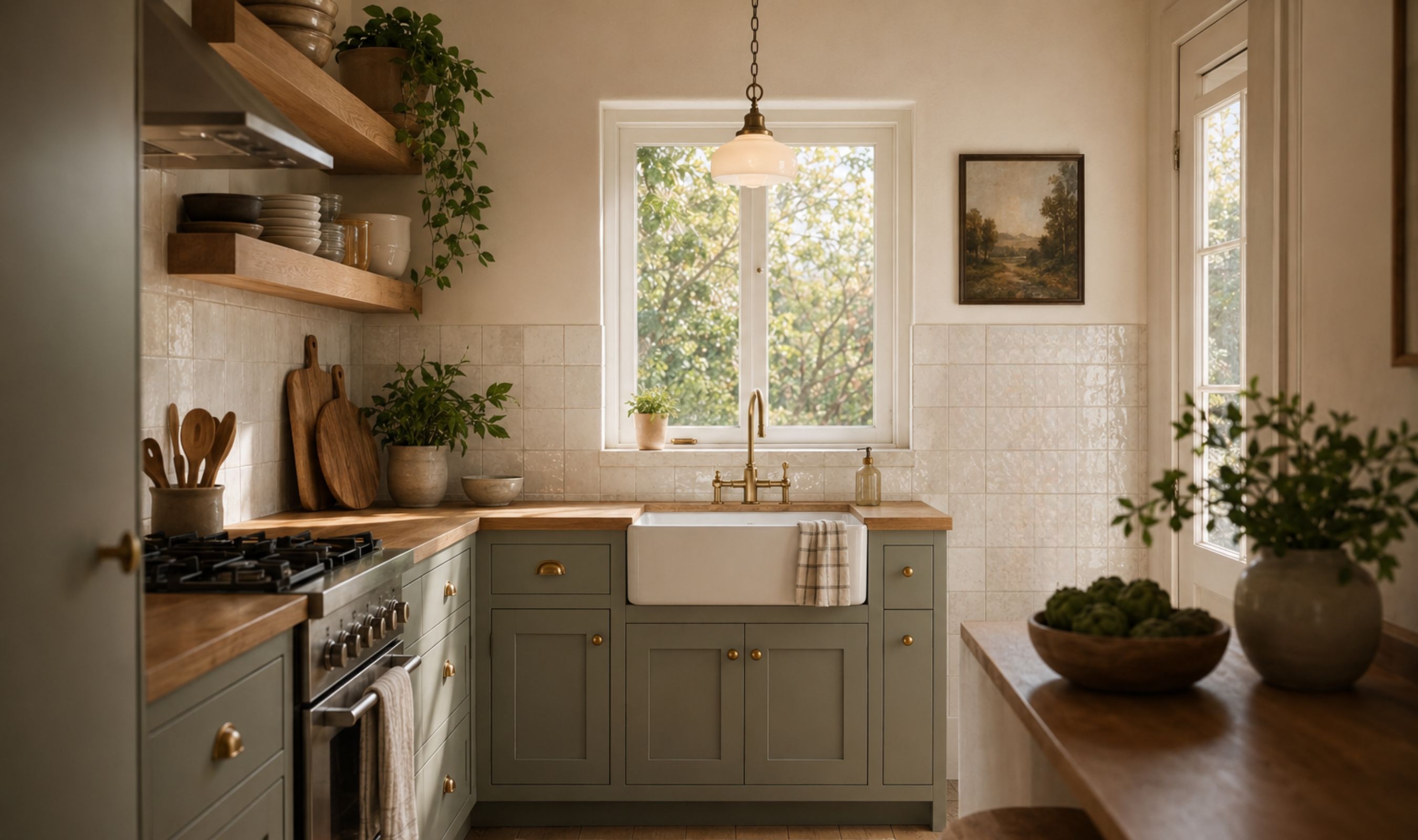
After dinner, a small kitchen holds the whole evening on its surfaces: a board dusted with crumbs, a damp cloth beside the sink, the pan that would not fit with the plates. Begin with the place where you will make breakfast. Move the dinner things toward the sink, put the bread away and clear enough room to set down a cup. That patch of counter gives the rest of the tidying somewhere to go.
If you use a dishwasher, skip the extra wash at the tap. ENERGY STAR recommends scraping food off dishes instead of pre-rinsing them, and running full loads whenever possible. If the load will sit overnight and your machine has a rinse-only setting, the same guidance suggests using it instead of hand-rinsing. Put the scraped dishes straight into their places in the rack. Keep anything that needs handwashing together, so it does not get carried from one side of the kitchen to the other.
A dishwasher holding unexpected water needs a separate decision. HouseTuned explains what to check when a dishwasher will not drain, including whether the cycle finished and what your model considers normal residual water. If it is leaking, the water is rising or the sink is backing up, stop using it and get help. Leave that problem out of the evening's tidying routine.
Make room for the first thing you do
Choose the working patch by imagining an ordinary morning. It might be beside the kettle, where a mug and spoon need to land, or near the fridge, where you put a bowl while reaching for milk. Clear that particular space before trying to make every surface look finished. A beautiful empty corner is little use if breakfast still happens between yesterday's glasses.
Take each object to its destination when you can. Return the oil to its shelf, the salt to its usual spot and the clean serving dish to the cupboard. Moving everything to the far end of the counter only changes which part of the room feels crowded. If an object has no destination, set it aside for the small sorting job that comes later.
Wipe the cleared surface, including the strip behind whatever usually sits there. Then put back only what belongs in that spot. The kettle may stay out because you use it every morning. A mixing bowl from dinner can go away. Let the way you cook determine what remains within reach; the counter does not need to resemble an unused kitchen.
Give the dishes a route through the room
A small kitchen becomes awkward when clean and dirty things need the same space. If the dishwasher contains clean dishes, put those away before gathering the dinner plates. If the drying rack is full, return its dry contents to the cupboards. Either move makes room for the dishes you are handling now.
Gather the remaining dishes from the table and the rest of the room, then work through them together. With a dishwasher, load suitable items according to your machine's guidance. Without one, keep the dishes on one side of the sink and reserve the drying area for what you have washed. The useful sequence is the same: put away the previous batch, deal with this one, then wipe the space it occupied.
Give the handwashed pan somewhere sensible to dry instead of balancing it across the area you just cleared. If it takes up most of the rack, that may be where the evening ends. A pan still drying is an ordinary part of a working kitchen. Leave access to the sink and enough counter for breakfast, and put it away when it is ready.
Find a home for what keeps coming back
The hardest objects are often the smallest: a receipt, a spare lid, the rubber band left from a bunch of herbs. They sit beside the toaster because no one has decided where they belong. Gather these loose pieces on an existing plate or tray while you finish the dishes, then carry them to their destinations before putting the tray away.
Start with the obvious ones. A key belongs with the other keys. A shopping receipt you need to keep can join the household paperwork. Match a lid to its container while both are in front of you. If it has no match, put it somewhere you can make that decision later without letting it occupy the breakfast space again.
Pay attention to anything you relocate every night. Perhaps the tea lives behind a stack of bowls, so the packet always ends up outside the cupboard. Moving the tea to an easier shelf may settle the problem. Before buying an organizer, try exchanging the positions of two things you already own. For ideas that involve changing fittings or storage, see making more of a small kitchen.
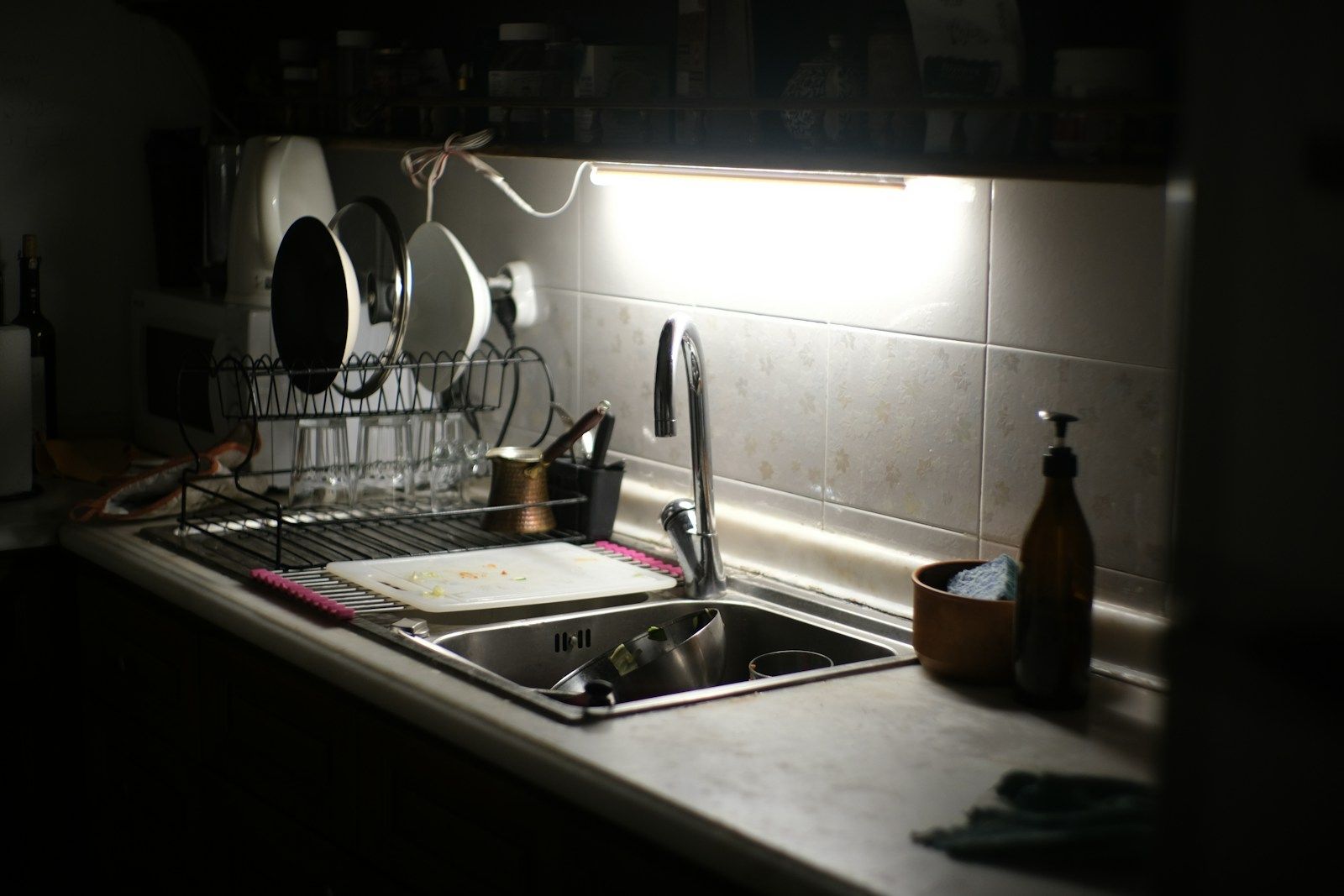
Leave tomorrow's cup within reach
Finish with the things you actually reach for first. Set a clean cup and spoon near the kettle, or leave a bowl where you make breakfast. Keep food stored as usual. You are arranging a convenient place to begin, and a single cup can do that without turning the counter into a breakfast display.
In a shared kitchen, leave room for the next person's routine too. The coffee drinker and the person making toast may need the same patch of counter. Put out fewer things if that keeps the space usable for both. Hang the cloth in its usual drying place, return the chair tucked beneath the table and check that the cupboard you need in the morning can open freely.
There may still be a pan on the rack or a shopping list on the fridge. Tomorrow, you can take down the bread, fill the kettle and set a cup on the counter without first finding somewhere for last night's plates.